Who actually gets recognized as they get older? We checked 72 years of Emmy nominations. The answer surprised no one — male nominees over 50 outnumber women over 50 by 9 points (42% vs. 33%), and that gap has widened to 12 points in the 2020s. One exception: in supporting categories, women 50+ actually win more than men.
Welcome to our website!
I created this research Institute 20 years ago because when I first saw kids’ shows and movies through my toddler daughter’s eyes, I was stunned by the lack of female characters and diversity. Back in 2004, only 11% of family films had female leads. Our latest data show we’ve reached gender parity for leads in family films and kids’ TV in the U.S.
But urgent attention is needed for race and ethnicity, LGBTQIA+, older characters, diverse body types, and disability representation. My institute works with creatives all over the world to enhance on-screen diversity and ensure nuanced portrayals.
There’s a lot of inequity in the world, but we have the power to fix representation in media overnight. Tomorrow, take a look at your projects and make sure they reflect the real world.
No more missed opportunities! And give us a shout – we’re here to help!
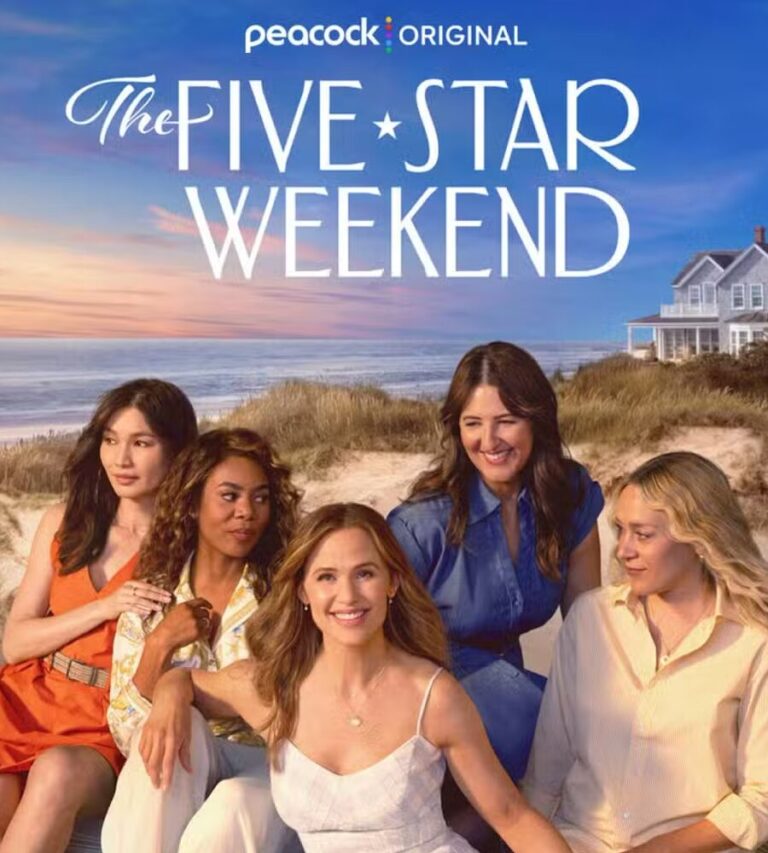
Peacock’s most-watched scripted series ever stars mostly women over 40. Elin Hilderbrand and Bekah Brunstetter tell Madeline Di Nonno how they built it. Read the Spotlight, then watch the full conversation on YouTube.